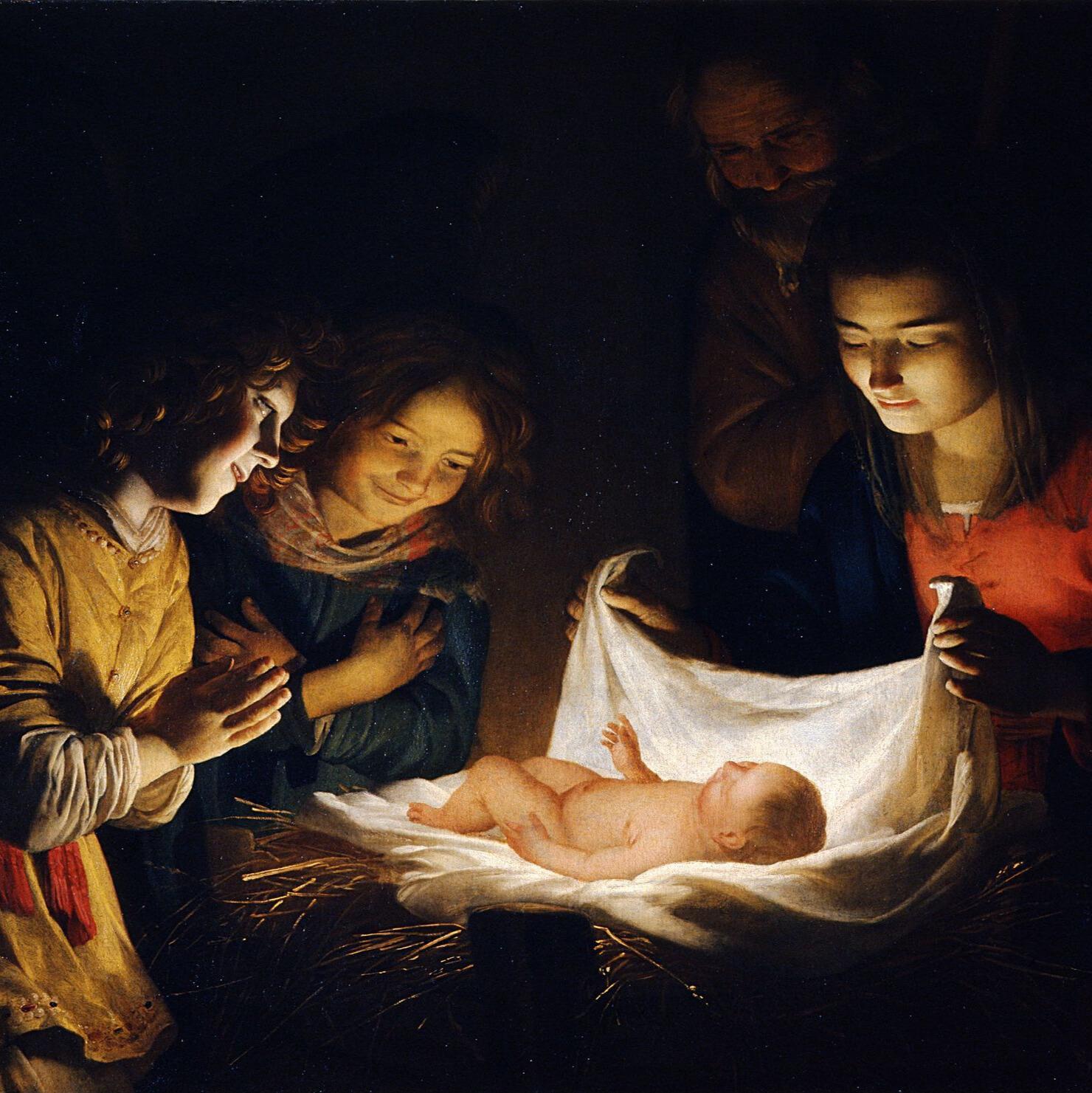
Though different in so many ways, the Austro-Hungarian Joseph Haydn, writing from the relative stability at the centre of the 18thcentury Esterházy universe, and the Frenchman Olivier Messiaen, writing from the rubble and ruin of post-war Europe, were both devout Catholics.
In the first two concerts in his 2026 season of reflections on music and the sacred, presented in the exquisite Good Shepherd Chapel, ANAM Artistic Director Paavali Jumppanen has brought together two unique, but not dissimilar concert works by these composers, both expressive of their deep spiritual lives. Jumppanen has identified a symmetry in the set of nine string quartets of Haydn’s Seven Last Words and twenty solo piano works of Messiaen’s Vingt regards. In their own way each work is expansive relative to the forms that they occupy – the 18th century quartet and the 20th century piano solo – the expressive sweep of both collections creating comparable spaces for collective contemplation.
Haydn’s The Seven Last Words of Christ on the Cross is unlike any music that had been written or heard up to that time. Originally composed for orchestra in 1786 for a specific religious occasion in Spain, Haydn’s own arrangement for string quartet – which enhances the vulnerability of the work’s spiritual subject – has proven to be the more enduring. It is a set of luminous wordless prayers comprised of nine movements, for performance not in the church but in the concert hall, and lasting just over an hour. Nothing like it would be heard again until Beethoven’s late quartets, forty years later.
Bookended by an introduction and an apocalyptic epilogue, the central seven movements – all marked either adagio or largo (ie slow) – are a series of dark and deeply moving meditations on the seven ‘words’ that the Gospels tell us Christ spoke from the Cross: "Father, forgive them, for they do not know what they are doing"; “My God, my God, why have you forsaken me”; and so forth(hence Jumppanen’s invitation to the Affinity Quartet to lead their ANAM colleagues in a performance on Maundy Thursday, the day before Good Friday).
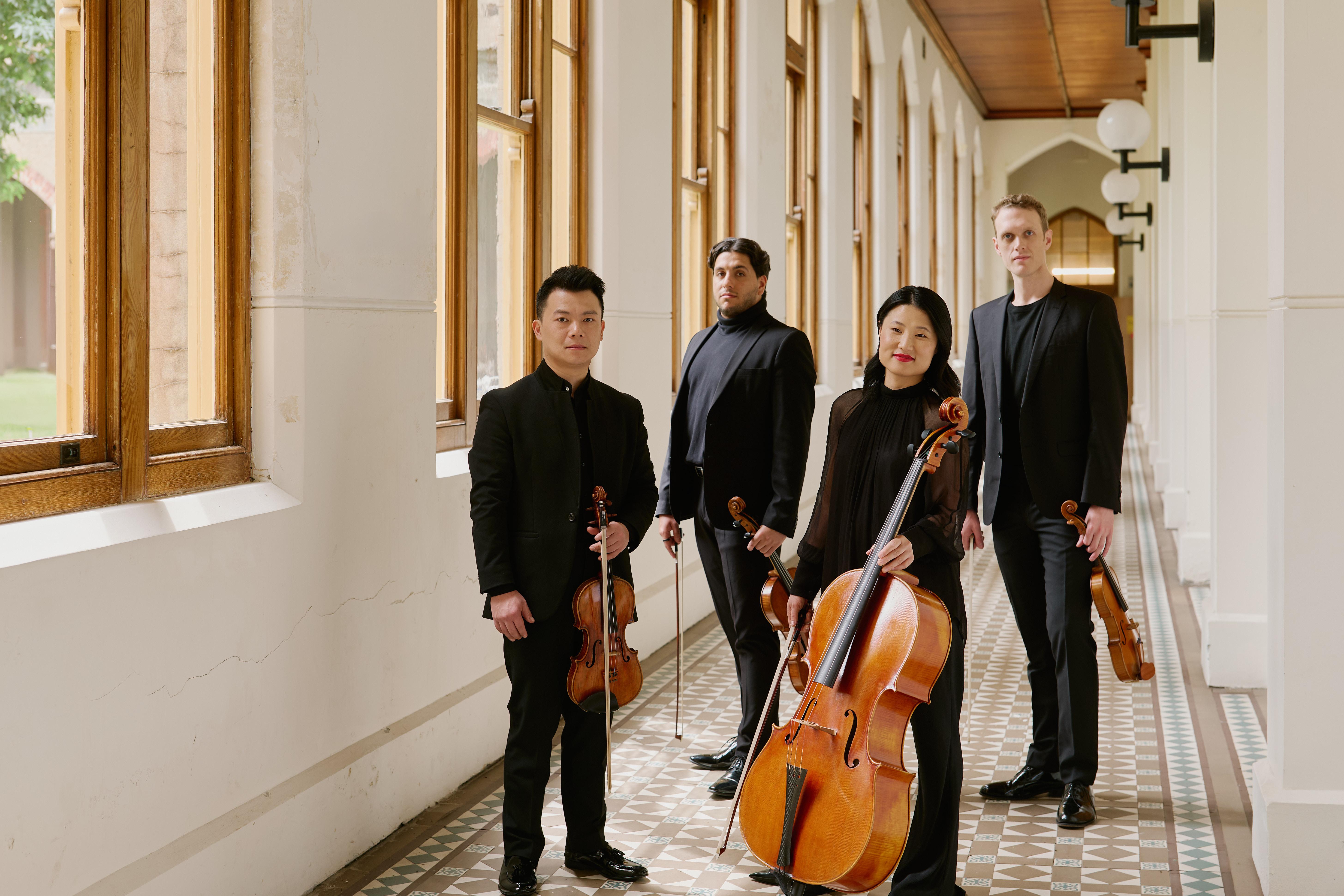
Affinity Quartet, Credit: Kristoffer Paulsen
Like Haydn, the inspiration for each of Messiaen’s twenty piano solos – more than two hours of music - was a series of spiritual texts which, also like Haydn’s, are printed at the top of each movement in the musical scores. As with the first performance of Haydn’s work in Spain, its premiere in 1945 in Paris included recitations of these words between the movements.
Messiaen’s mystical brand of Catholicism is unique, as is the musical language that flowed from his imagination and with which he gives it voice. His Vingt regards – or “Twenty Contemplations of the Infant Jesus” – meditates on the other end of Christ’s short life to that on which Haydn reflected. The composition of the work followed three years after his Quartet for the End of Time and like Haydn’s quartet set, is a spiritual, meditative work for the concert hall. Whilst the overall impression is one of mystical contemplation, the moods of the individual movements range from hypnotic quiet to nightmarish rage; they evoke sound and silence, beauty and terror, ecstasy, love and an all-embracing sense of awe.
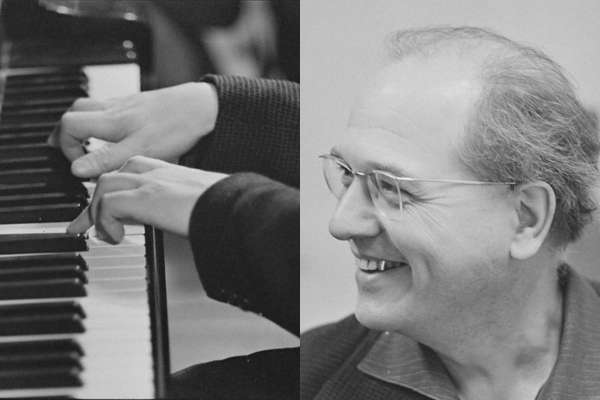
Photographed: Olivier Messiaen
SACRED: VINGT REGARDS
ANAM Pianists
Thu 28 May 2026, 3PM and 7PM
The Good Shepherd Chapel, Abbotsford Convent