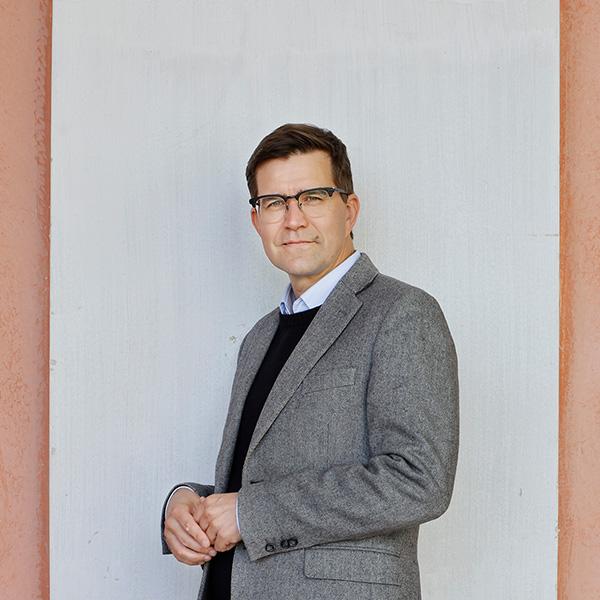
Paavali, this is your final year as Artistic Director for ANAM as well as our 30th anniversary. Looking back, could you share some of your ANAM highlights?
It is almost impossible to identify just a handful of ANAM highlights. It has been such a thoroughly inspiring and complete experience for me. There have been numerous concerts where I’ve thought this is the highest standard we’ve achieved, then a couple of weeks later, felt exactly the same about another. I’ve enjoyed, and been proud of, programs we’ve created with our faculty, musicians and the Program team, combining new works with old masterpieces in ways that demonstrate music is a force simultaneously linked with, and free from, the time that surrounds it. One highlight was a concert featuring music from the Baroque and Renaissance periods, which we presented a couple years ago. We used works by virtuoso composers from 17th and 18th centuries, most of whom were celebrated women in their time, but whose works you seldom hear these days.
You’ve guided ANAM through both challenges and successes since 2021. What’s been the most valuable lesson for you as Artistic Director?
I believe the saying goes: “The best way to learn is from other people’s mistakes; the worst, not even one’s own”, and I have often fallen for the latter. There are certainly more lessons I will understand in time. I’ve been privileged to work with an incredible ANAM team, with brilliant people. In the office, the wisest thing to do is ask questions because the staff’s input and opinions are invaluable. I have learned so much just by listening to the ANAM Faculty speak and play. Music carries accumulated knowledge and wisdom, yet remains a living force that does not thrive in captivity. Rather, it is an organism that continually renews its own logic and magic if we allow it.
How do you see ANAM’s role in shaping the future of classical music in Australia?
ANAM holds a unique place in Australia’s musical landscape. Many of the musicians who have the talent and the drive to become professional performers pass through its Performance Program. ANAM brings these musicians together to learn from and challenge one another at a formative stage of their development, and allows us, as educators, to hear about their values and aspirations, individually and collectively. With our expert Faculty and programming, we can then craft a training program suited to this stage. One that both musically and extra-musically challenges our talented young musicians to reach their full potential and ultimately contribute richly to Australia’s cultural life.
What message would you like to give to aspiring musicians who might be at the beginning of their careers?
I often say that I don’t believe in life advice, and then I offer it. So here we go: Love your instrument and spend a lot of time with it. Listen to teachers and peers, but trust your instincts. Invest time in learning the most inspiring pieces for your instrument, no matter how challenging. Play chamber music with your friends. Tell stories with your music. Read, travel, say “yes” to opportunities and occasionally say “no” if you feel you won’t have time to do a good job. Be helpful and loyal to your colleagues and presenters. Try new things with music.
You’ll be performing alongside ANAM musicians in Shared Memories, your final performance with ANAM, later this year. Could you tell us about the program and what drew you to this repertoire for such a meaningful occasion?
The Chamber Symphony by Enescu is a work I’ve always wanted to play with ANAM musicians. It features nearly all ANAM instruments (sadly, just no percussion). Enescu was a great friend of Bartók, and I’m a big fan of Bartók. His Piano Quintet is a towering challenge that pulls performers forward in their craft. Bartók’s interest in folk music and Finnish ethnomusicology then led to works by Rautavaara and Tarkiainen. Another distinctly “ANAMesque” program, with such diversity of instrumentation and repertoire within a single concert. It’s inspiring to be able to program in this way, which is one of many reasons our audiences connect so deeply with what we do.
Will you continue to perform in Australia, and do you see yourself staying connected with ANAM in some way?
I hope to keep connected with Australia and I am certain I will stay connected with ANAM. My family has formed many friendships here and this experience will always stay with us. Already, it is wonderful to meet people who have been part of ANAM in any capacity; encounters that happen frequently when I travel. I encourage all ANAM musicians to stay connected and keep me informed of their life post-ANAM. We are a unique community and one, I find, that is genuinely happy to stay connected.
And finally, if you could sum up your time at ANAM in one word, what would it be?
ANAMesque!
Shared Memories
Friday 20 November, 7pm
Rosina Auditorium, Abbotsford Convent
Einojuhani RAUTAVAARA Fiddlers (piano version)
Bela BARTÓK Piano Quintet
Outi TARKIAINEN Sensory Flashbacks
George ENESCU Chamber Symphony
Book Now